
Why Public Power?
Why should Ann Arbor own its electric grid and provide power instead of a corporation like DTE?
Municipal utilities–owned by the public rather than by corporate shareholders–have been providing reliable electricity to customers across America for decades. Over 2,000 munis serve 49 million customers in the U.S.
Michigan’s 41 municipal utilities charge their customers significantly less on average for much better service than what DTE provides.
Renewable
Accelerate our transition to 100% renewable electricity.
Reliable
Reduce outages and make our grid more resilient.
Affordable
Ensure power is available and affordable to everyone in Ann Arbor.
Publicly owned utilities outperform investor owned utilities because of one essential difference:
Investor owned utilities serve their shareholders, while publicly owned utilities serve the public.
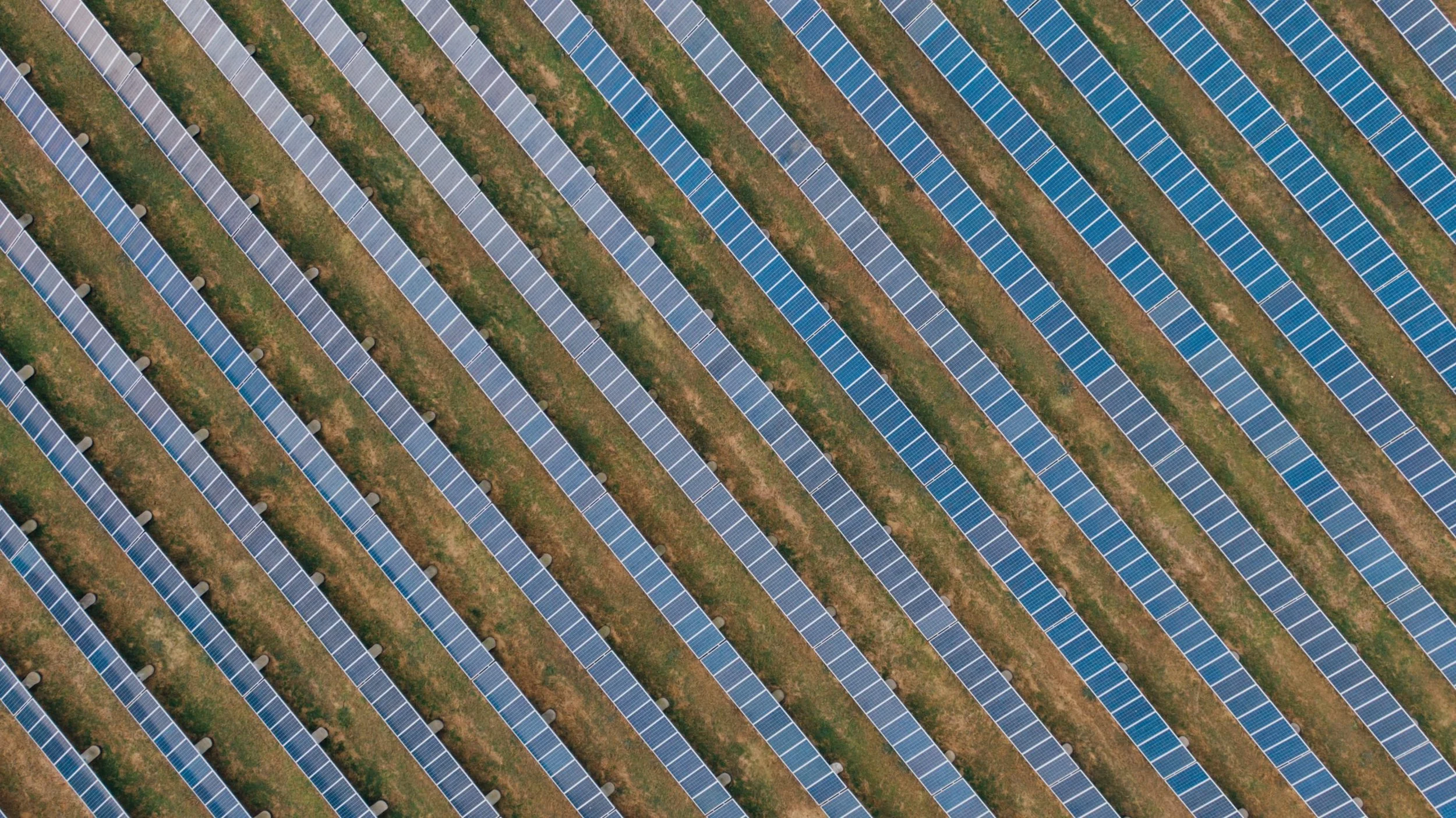
Renewable
DTE, Ann Arbor’s monopoly electric utility, generates two-thirds of its electricity from burning fossil fuels, both coal and gas, with only 12 percent coming from wind and solar. That’s one of the dirtiest fuel mixes in the country for a major utility, yet DTE is planning to add at least 1.5 Gigawatts of new gas-powered generation. (Carbon capture and storage, a false solution that DTE touts, is unproven at scale, does not mitigate upstream emissions, and requires huge amounts of energy.) Ann Arbor’s climate action plan calls for 100% renewable power here by 2030, and the state of Michigan mandates 100% clean power statewide by 2040. DTE’s plans are incompatible with both goals.
Municipalization would allow the city to purchase renewable power from the regional grid, incentivize new construction, and invest in energy efficiency, rooftop solar and other forms of local distributed generation. The city’s new Sustainable Energy Utility (SEU) is a limited, opt-in program that leaves DTE in control of the grid. Municipalization is the city’s only legal pathway to 100% renewable power by 2030, or even this century, given DTE’s commitment to fossil fuels for the indefinite future.
Reliable
DTE’s average outage time during major weather events in 2023 was almost five times the national average, according to the 2025 report from the Citizens Utility Board of Michigan. By contrast, municipal utilities in Lansing, Holland, Traverse City, and Wyandotte recorded only the briefest of outages. DTE has neglected the local grid for decades, and despite a recent uptick in investment (attributable to our campaign), it continues to underperform. An Ann Arbor municipal utility would reinvest surpluses into grid maintenance and modernization instead of taking them out of the community in the form of profits.

Affordable
Every public power utility in the Lower Peninsula sells more reliable power at more affordable rates than DTE. In Chelsea, Michigan, for example, electric rates are roughly half of DTE’s rates, for much more reliable power. And 40% of Chelsea’s electricity comes from renewable sources. Nationally, public power customers pay 13% less than private power customers. This is no mystery: 15% of your DTE bill goes straight to shareholder profits.
DTE’s residential rate of roughly 21 cents per kilowatt hour is among the highest in the Midwest, even as the company applies for rate increases almost continuously. The Center for Biological Diversity reports that “DTE is uniquely predatory towards its low-income customers,” shutting off power to households more than 150,000 times in 2024 while forcing struggling customers to pay in cash. Meanwhile, DTE paid out roughly $900 million in shareholder dividends in 2024. A municipal electric utility, with no need to provide a return to investors, can charge lower rates.